Young Children’s Community
Headwaters toddler program
serves students ages
18 months to 3 years old.
In the Headwaters Montessori Program, we call this the Young Children's Community, or YCC
Your young child is an acute observer with an unstoppable desire to learn, explore, try new skills, and master them through repetition. We aim to nurture your whole child—mind, body and spirit—as we model and guide them through social cues and mores in the daily art of problem solving and gracious and courteous community living. There are so many wonderful and authentic opportunities for them to listen to each other, find their own voice, and be heard. | 18 months to 3 years Springs Campus6305 Menchaca Road Located just south of Stassney Road, our Springs Campus is a combination of three buildings with plenty of space to run around—the perfect environment for our Early Childhood Montessori program. |
The curriculum in the Young Children's Community is built on five key pillars that honor natural stages of development:
| Prepared Environment |
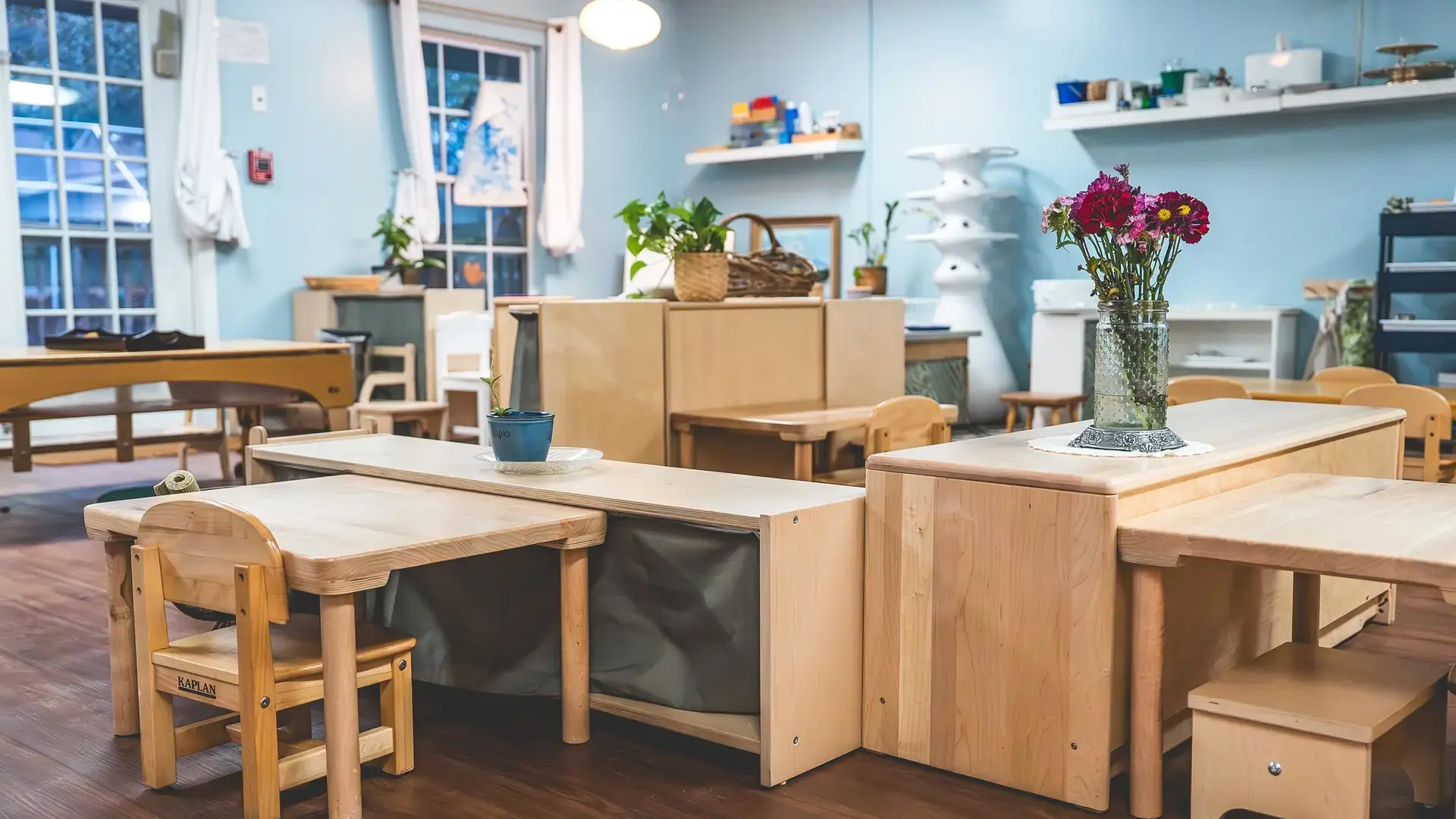
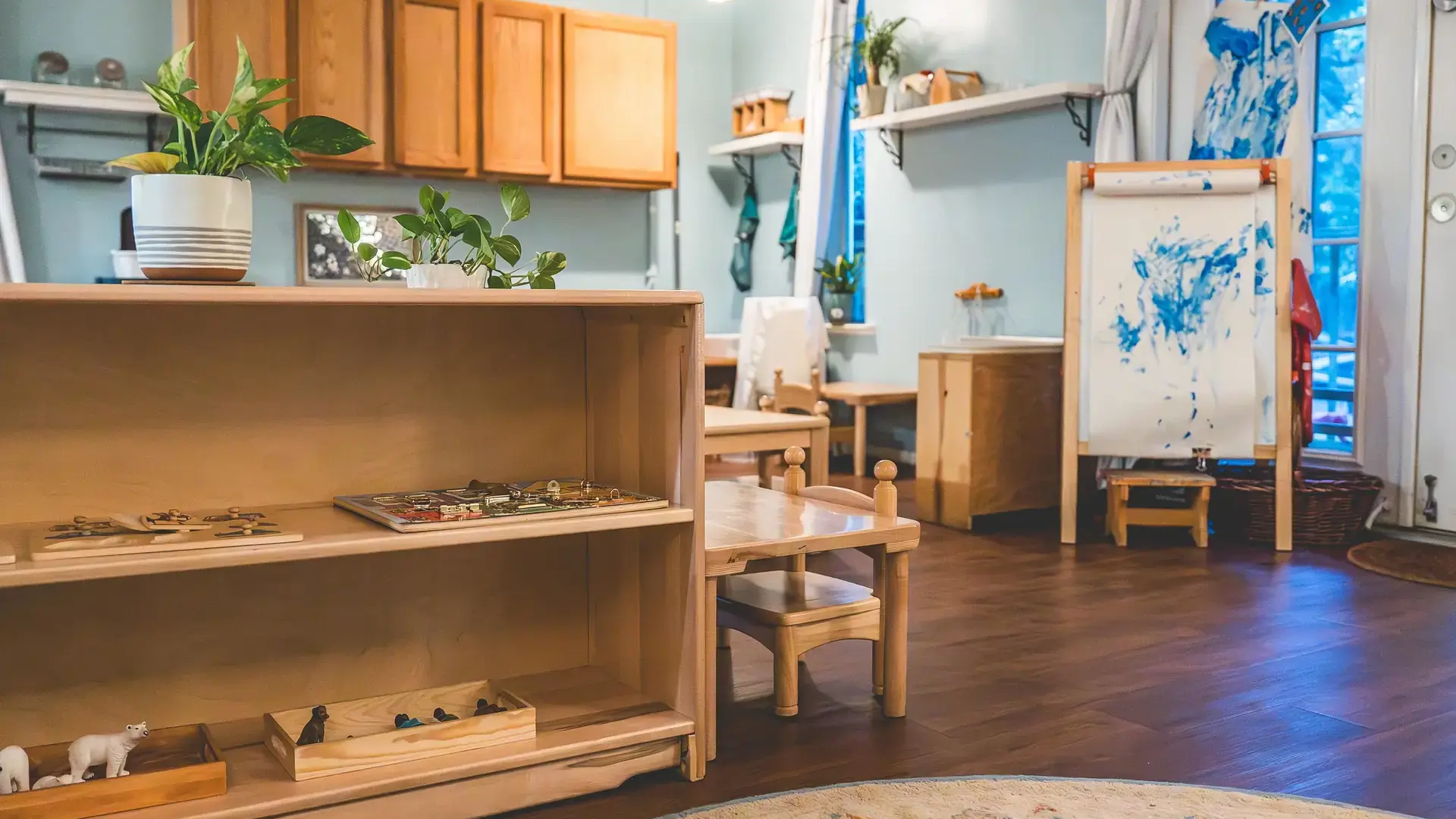
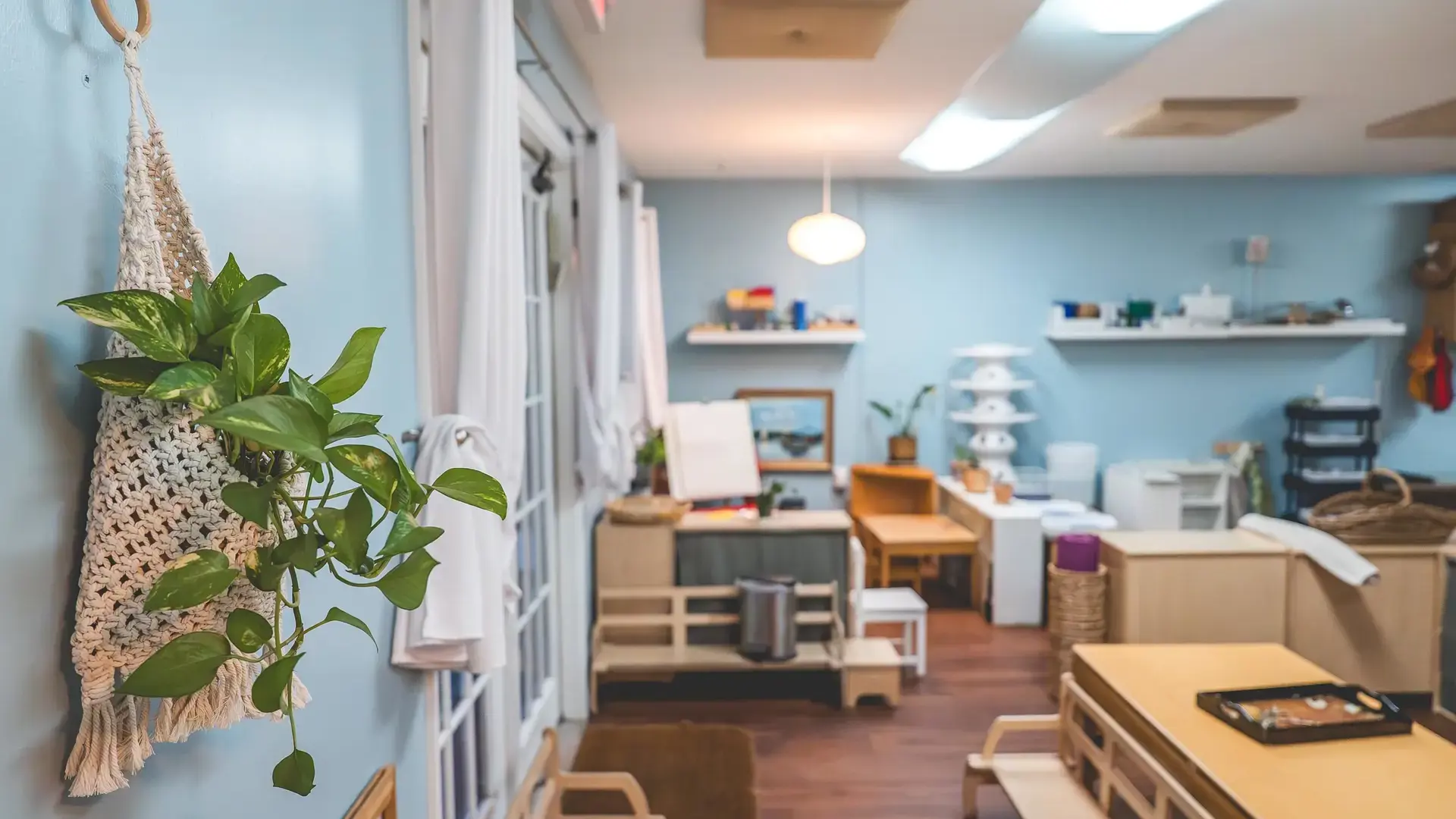
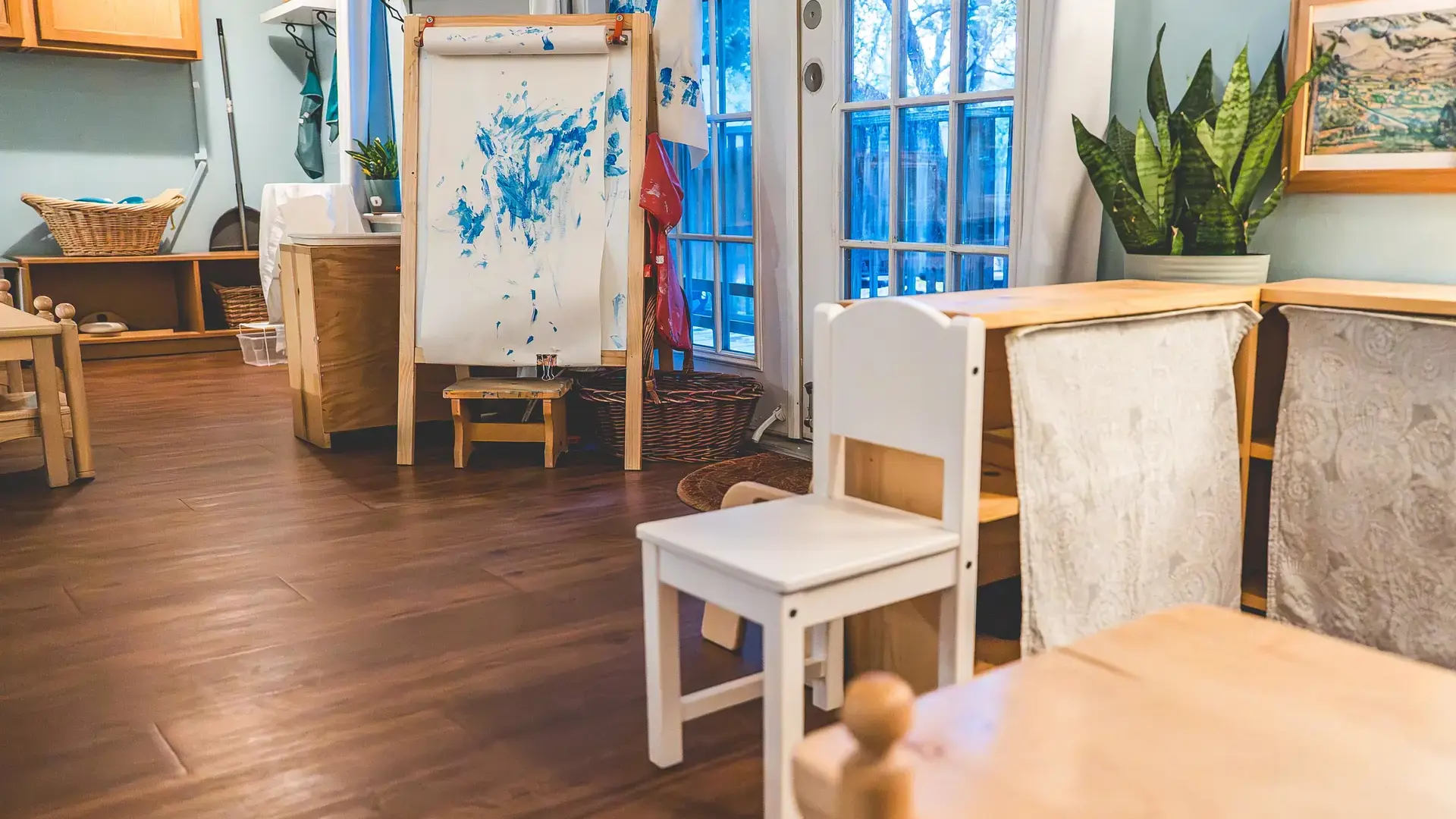
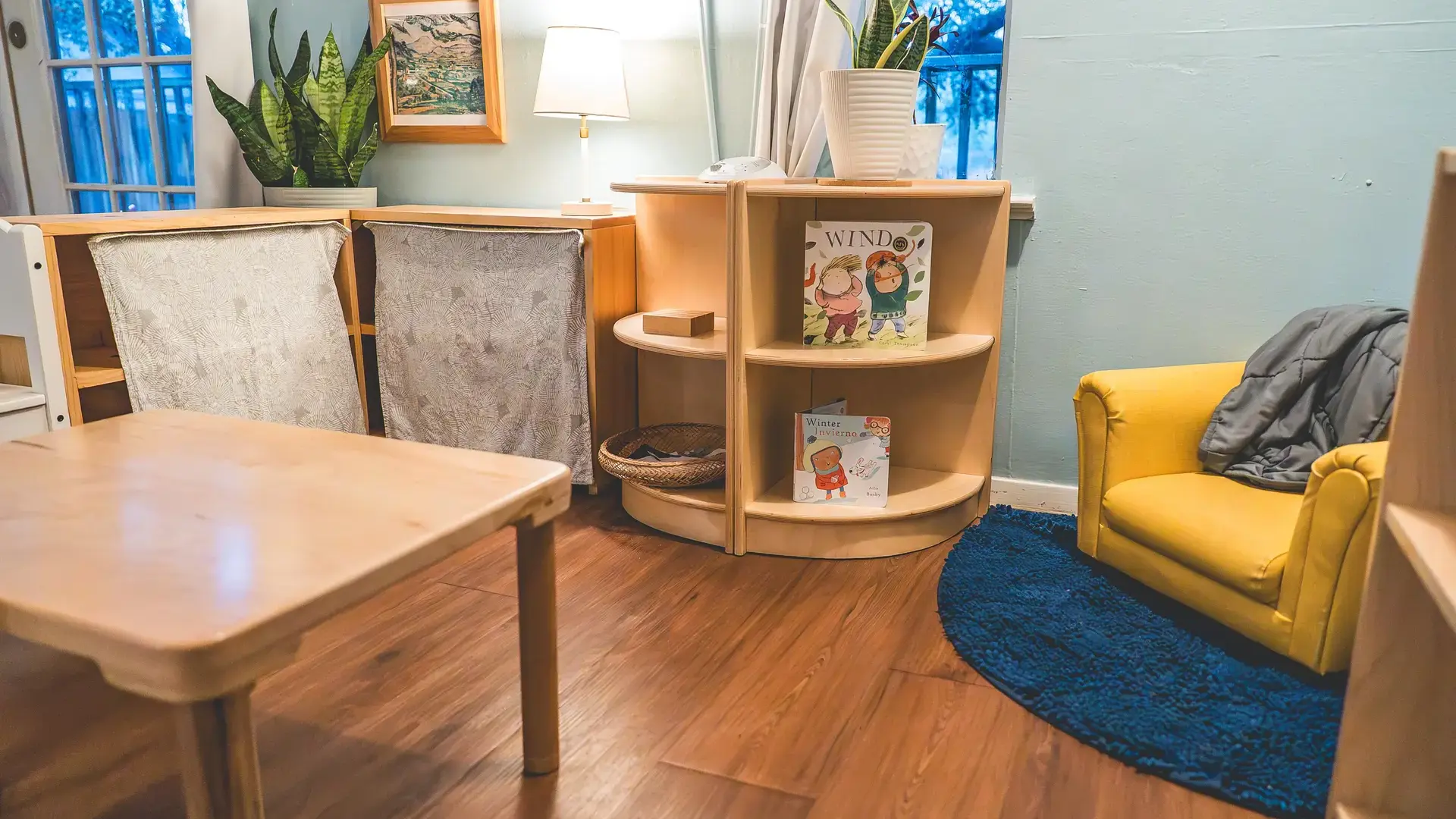
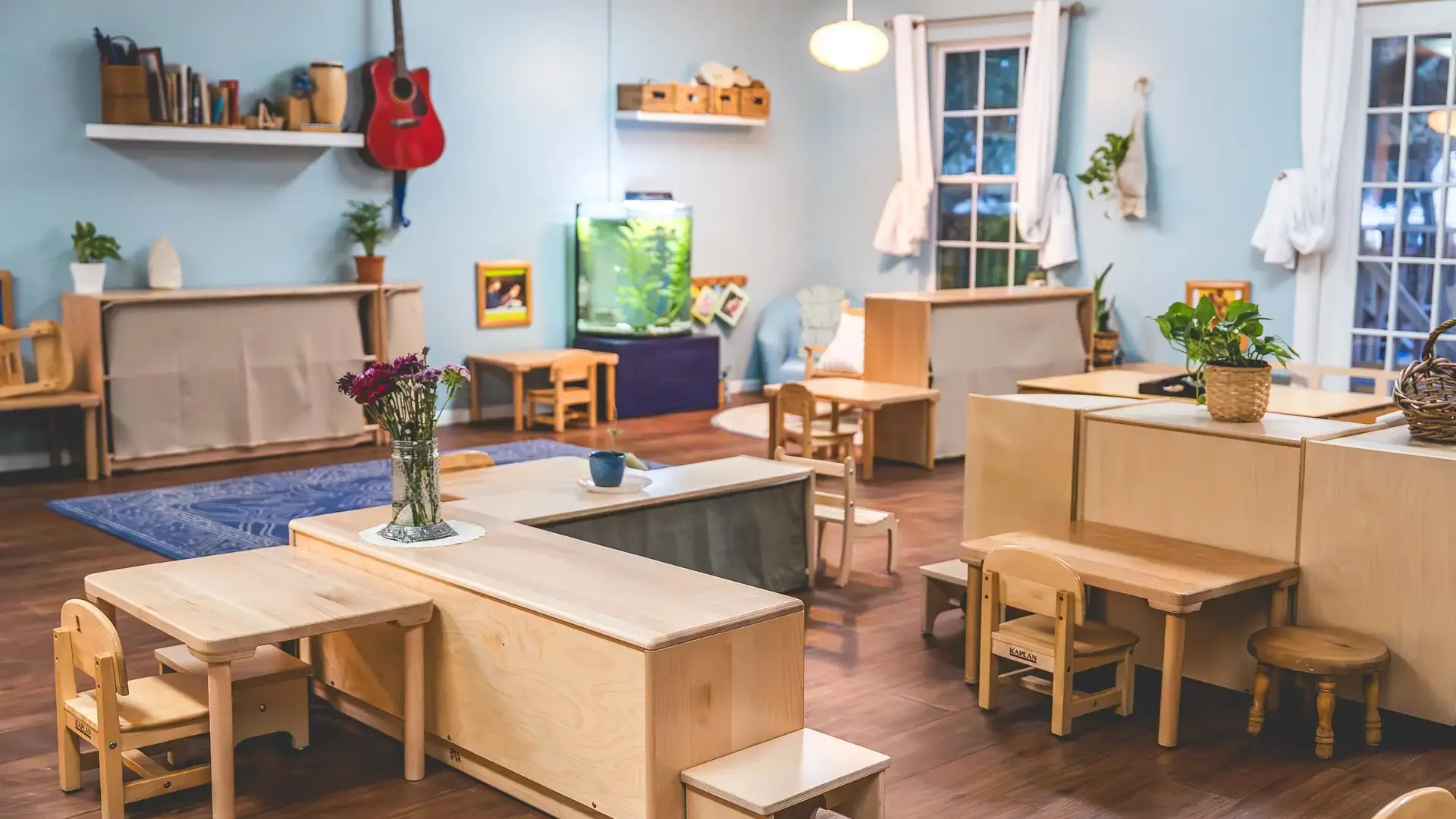
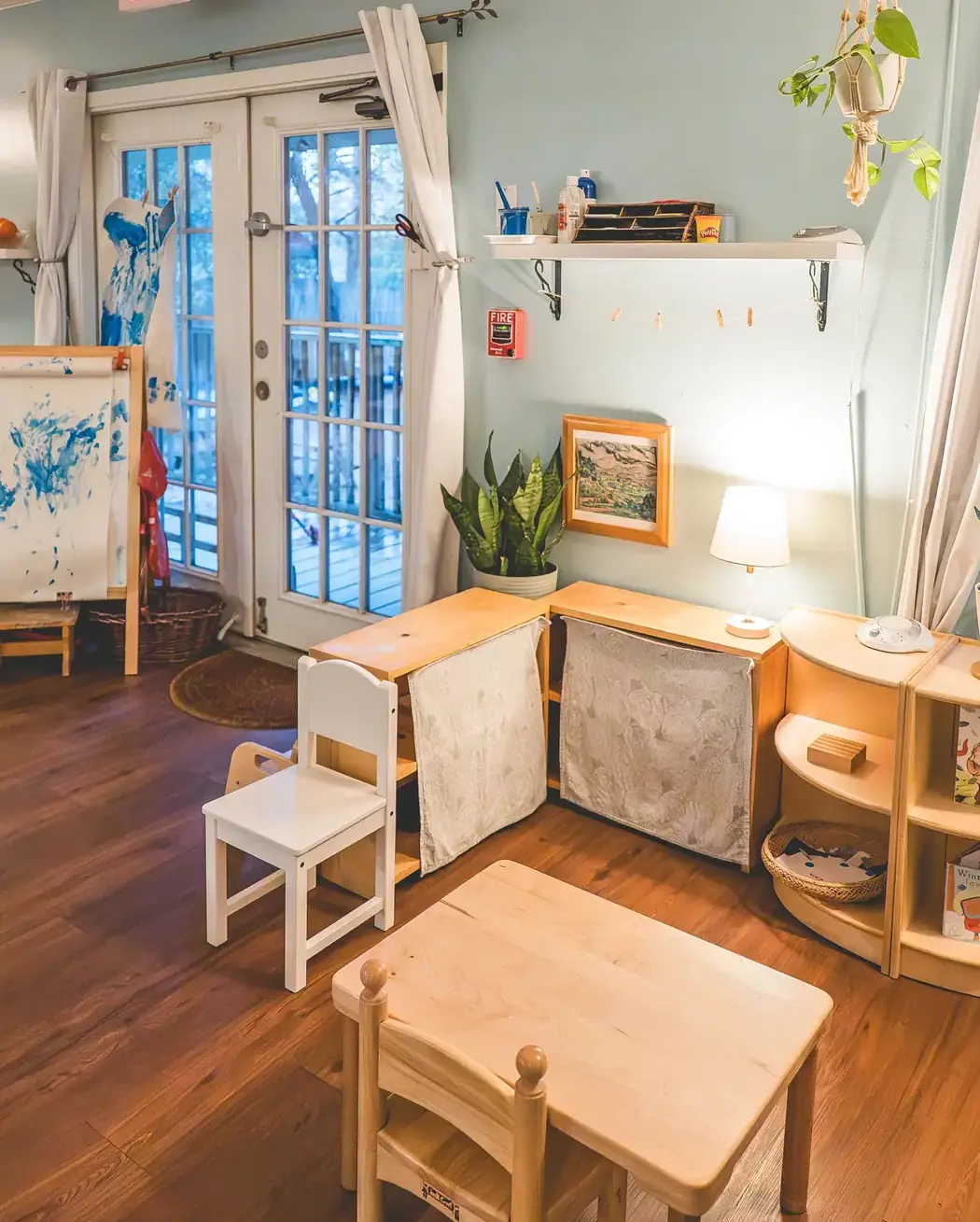
| Classrooms are beautiful, orderly, and intentionally designed for independence and discovery. Materials are placed within reach to invite choice and concentration. |
| Guided Independence |
| Children move freely and choose meaningful work. Adults gently guide, not dictate, allowing each child to develop confidence and self-direction. |
| Mixed-age Community |
| Classrooms include a range of ages, encouraging mentorship, empathy, and leadership. Younger children look up to older peers, and older ones reinforce skills by guiding others. It’s how we foster connection and belonging. |
| Hands-on Materials |
| Tactile, purposeful, and self-correcting materials support deep engagement and concrete understanding. Children learn by doing. |
| Freedom Within Limits |
| Within a peaceful and structured environment, children make choices that help them grow as responsible, thoughtful and contributing members of their community. |
In addition, our Early Childhood program offers a rich foundation across academic, social, and developmental domains, including:
| Language |
| A continuous encouragement of self-expression and communication lays the groundwork for language development. Montessori materials from sandpaper letters to moveable alphabet allow for concentration on meaning instead of the mechanics of complex reading skills. Necessary reading and writing skills are built through natural and indirect experiences. |
| Mathematics |
| Materials make abstract concepts visible, from counting and number sense to place value and basic operations. This concrete, experiential approach builds a deep and lasting foundation for mathematical thinking. |
| Cultural Studies |
| Children explore geography, science, botany, zoology, and cultural traditions, sparking curiosity about the natural and human world while developing global awareness. |
| Sensorial |
| Children refine their five senses and develop cognitive skills using specially designed materials that help them classify and compare the world around them. |
| Practical Life |
| Real-life activities like pouring, sweeping, and buttoning foster independence, coordination, focus, and social skills. Executive functioning skills are also strengthened, building a strong foundation for future learning. |
| Grace and Courtesy |
| Children practice kindness, empathy, and peaceful conflict resolution. We support social-emotional growth by modeling and inviting respectful behavior. |
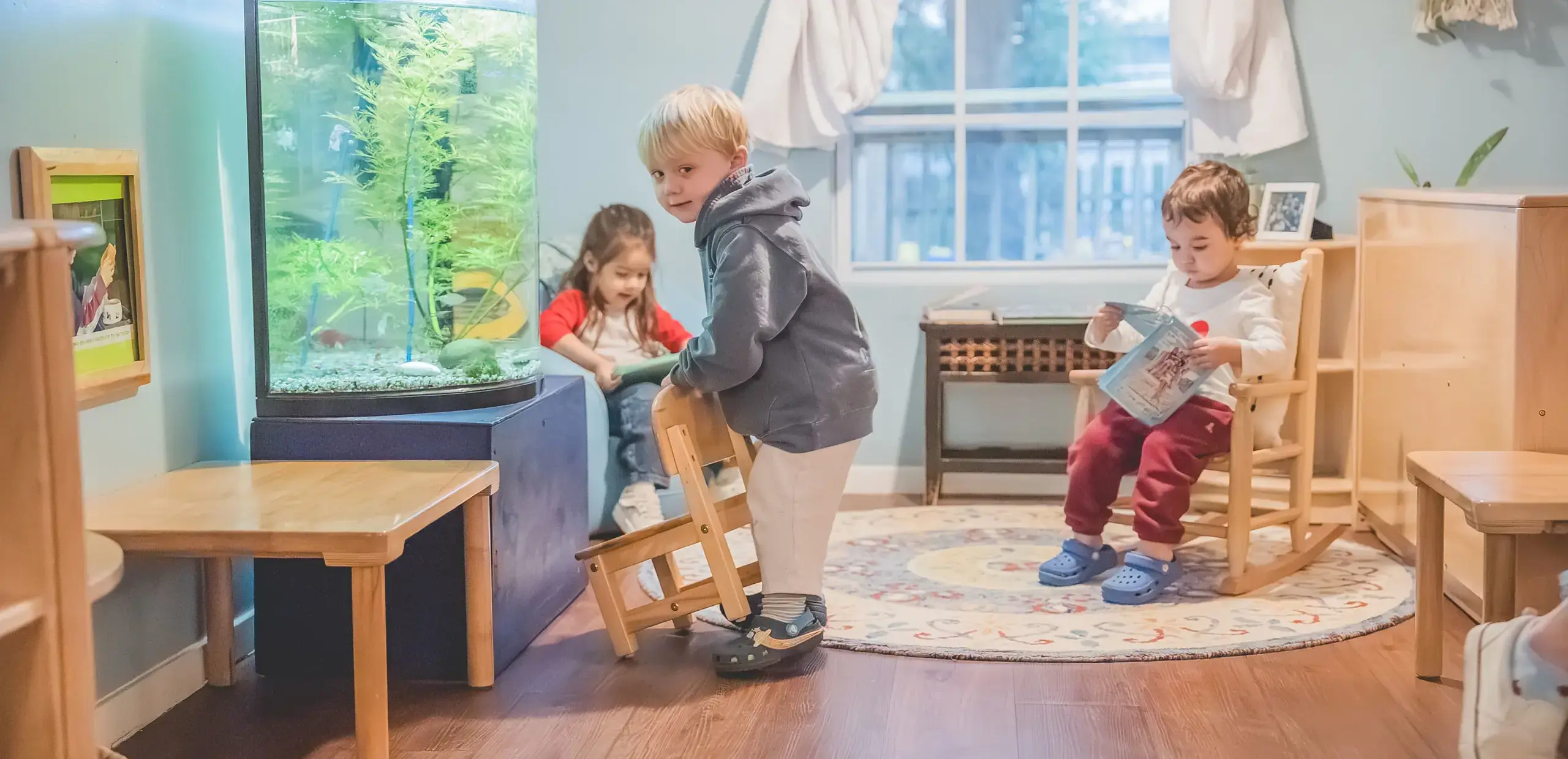
Learning to become a helpful friend is also a primary focus of our YCC community, as your child expands their ability to share what they are doing and deliberately interact with others. Our low teacher-to-child ratio ensures that your child will receive the loving support and guidance they need to truly thrive.
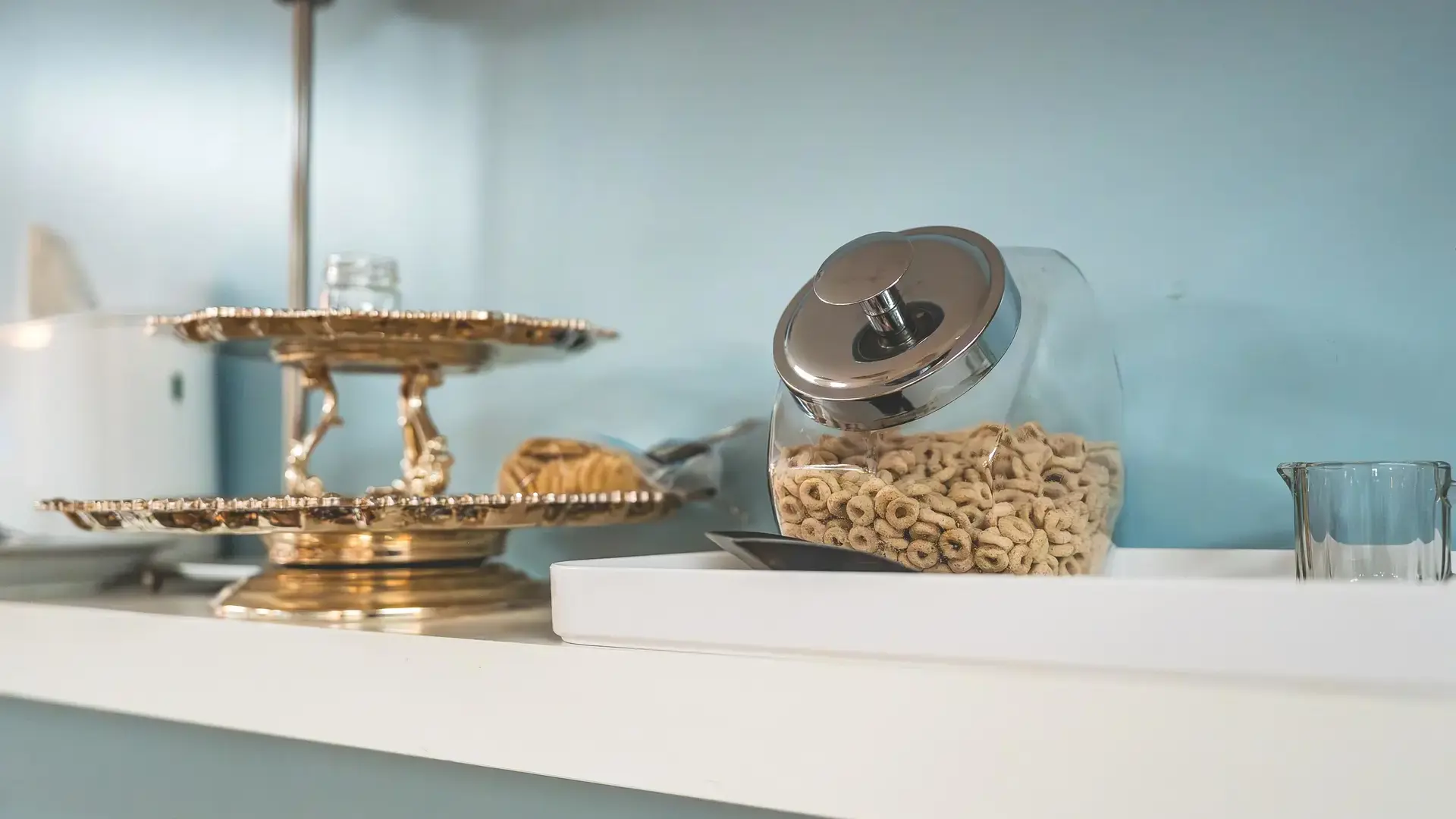
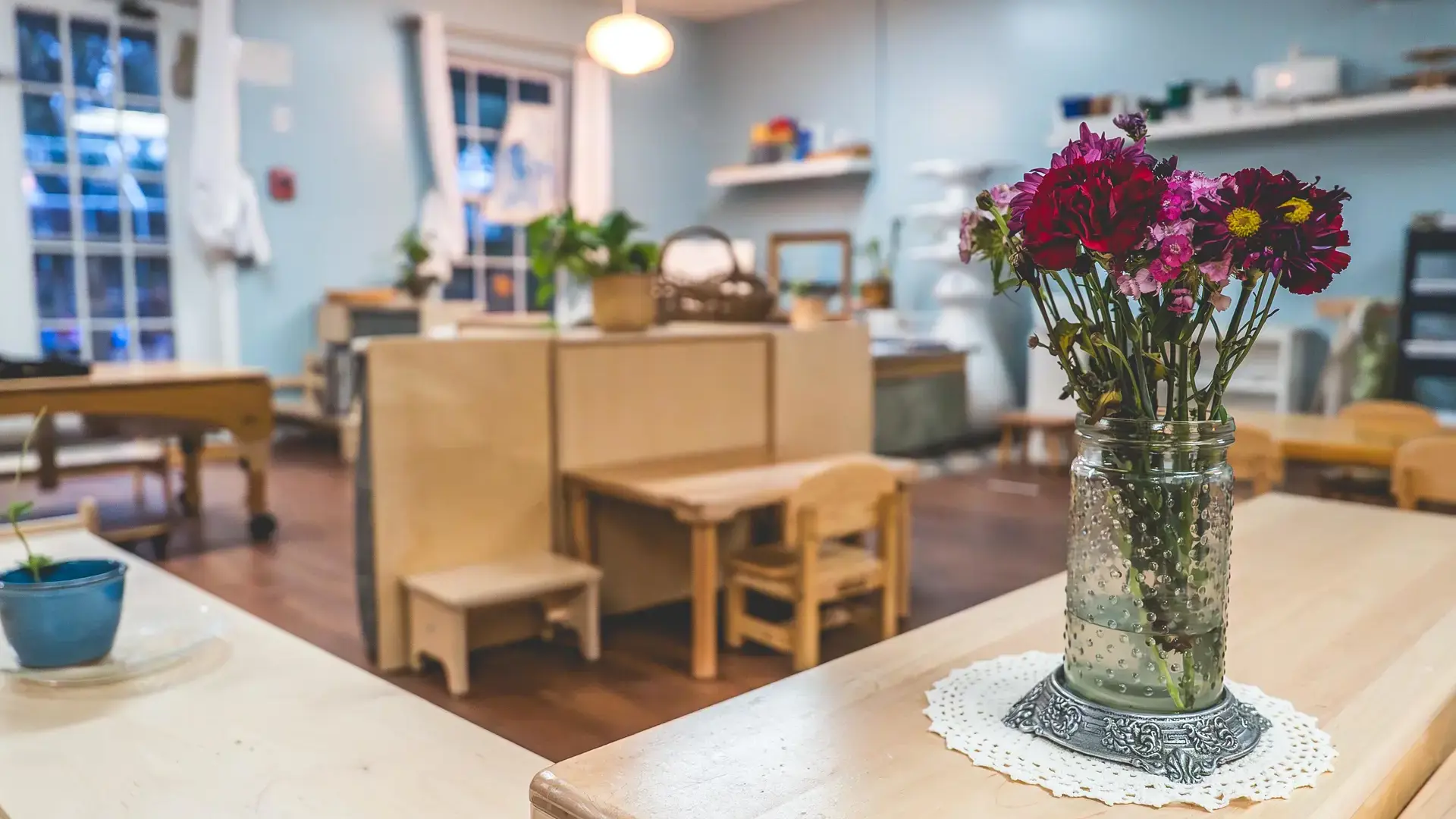
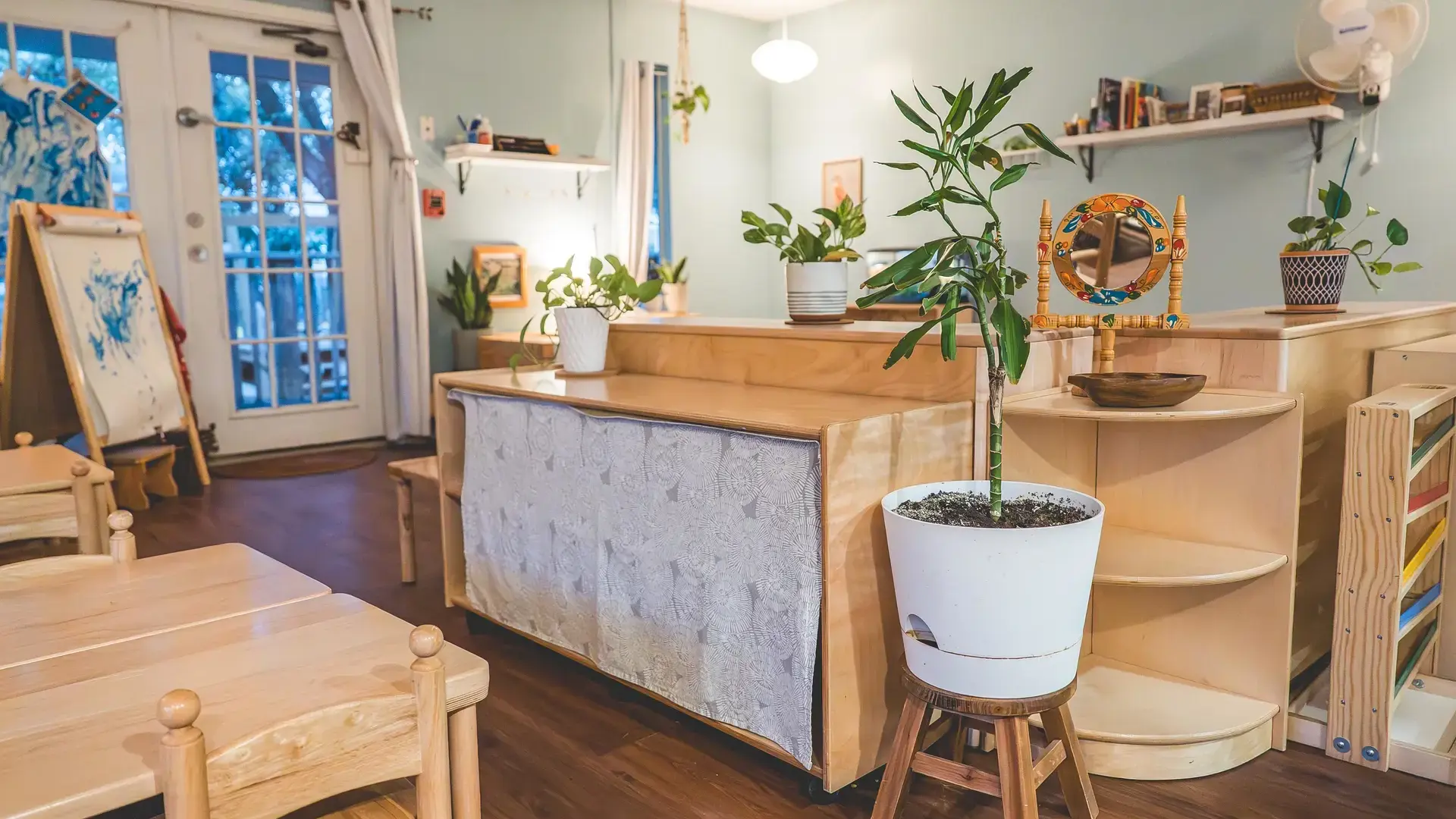
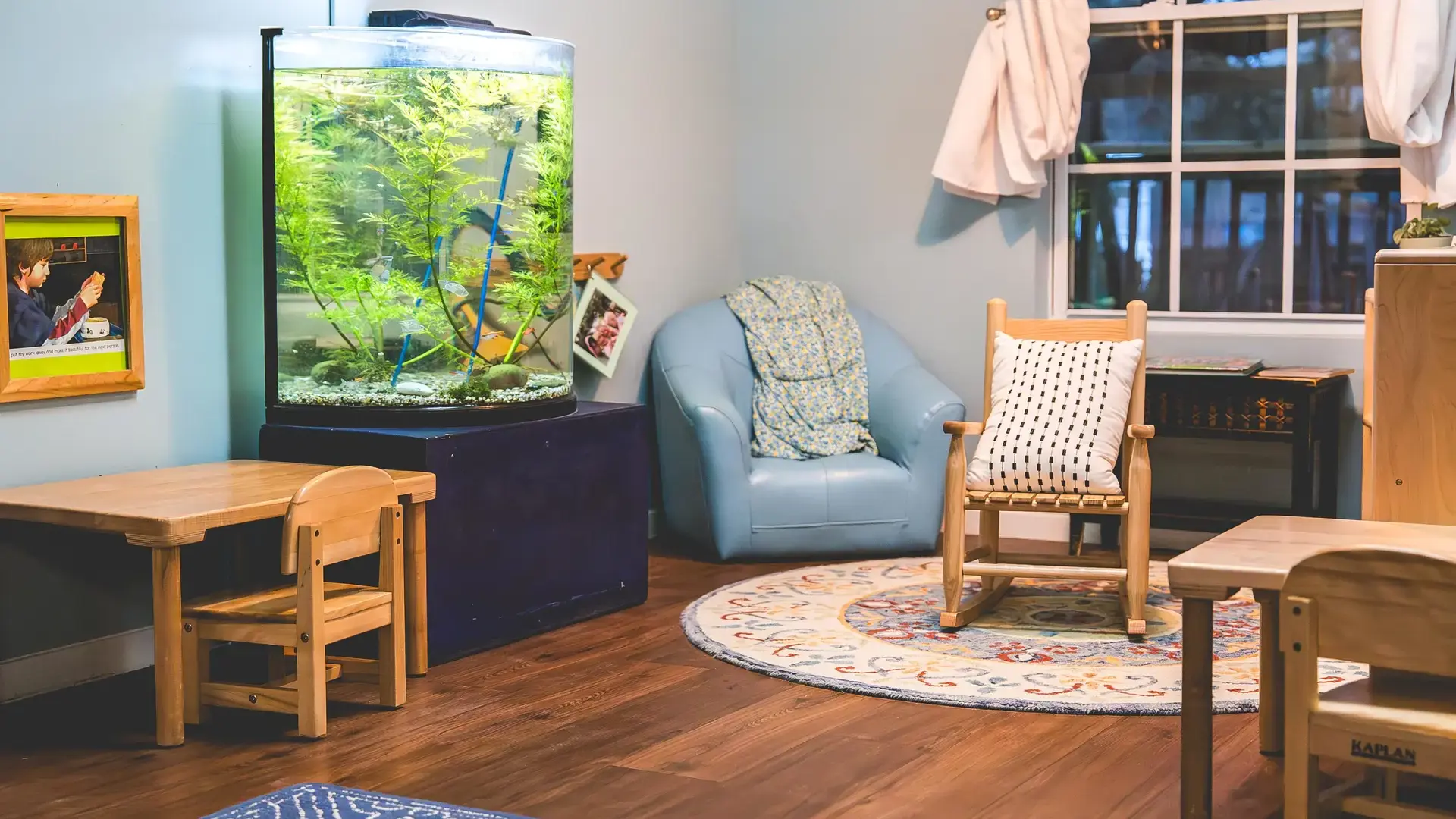
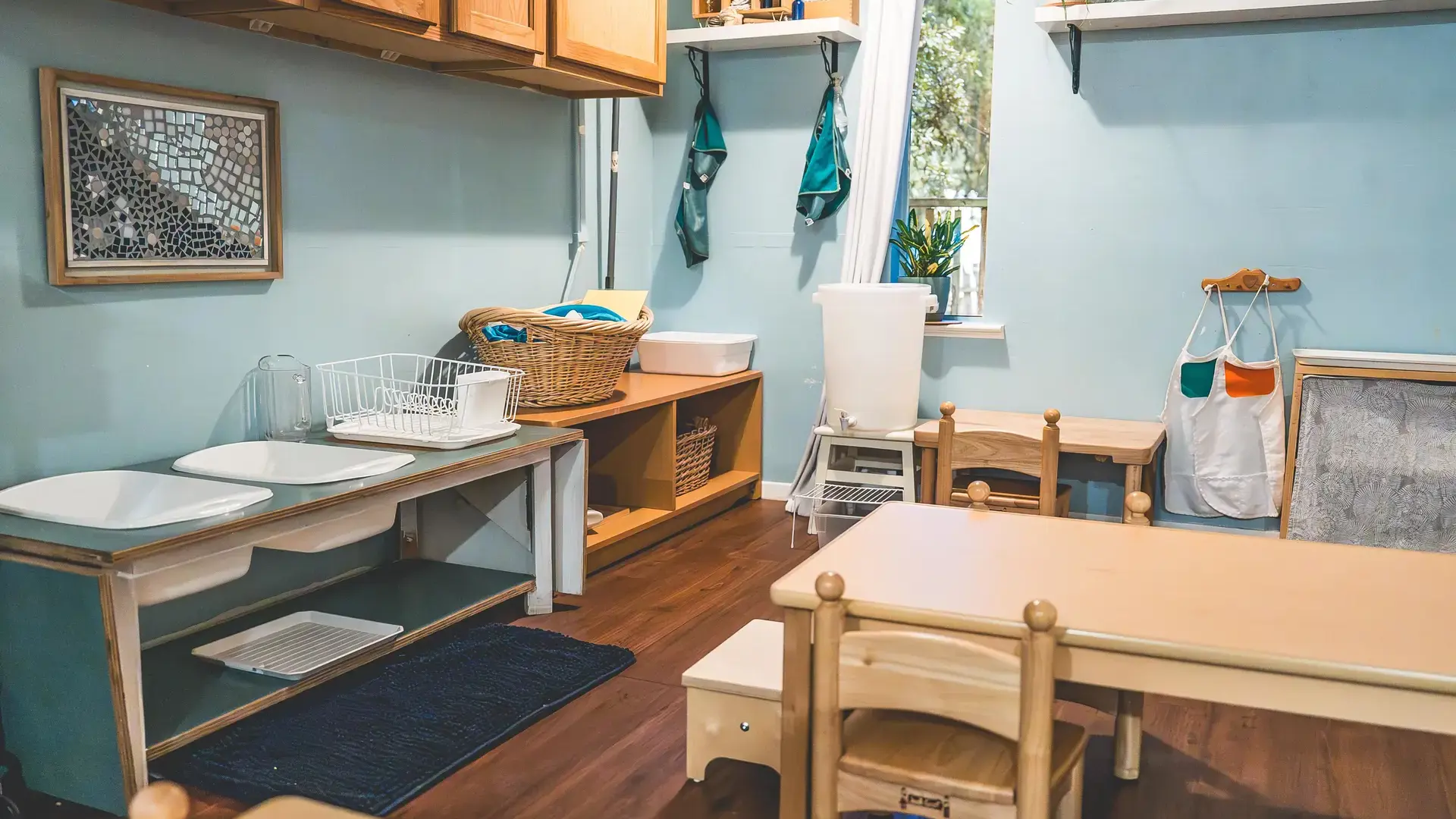
The CasitaThe YCC classroom, known as the Casita, is an environment where children experience living in a community and participate in activities that support age-appropriate development. During the first three years of life, your child is gifted with what Maria Montessori calls “an unconscious absorbent mind” that, like a sponge, takes in everything in their environment. Knowing this, the Casita guide takes great care in preparing the surroundings to create an atmosphere of tranquility, order, and beauty. Each casita also has its own outdoor courtyard where children can explore, play, and work together under the shaded tree canopy. For many children, the Casita is their first school or outside care experience. Because of this we seek to make the environment as home-like as possible, and provide familiar activities for them to engage in. Food preparation activities pave the way for more practical life work: sweeping, mopping, and washing tables and dishes. All of this happens spontaneously with few cues from the guide as they become aware of the need to clean up and take care of the environment. | Get to know Headwaters School |
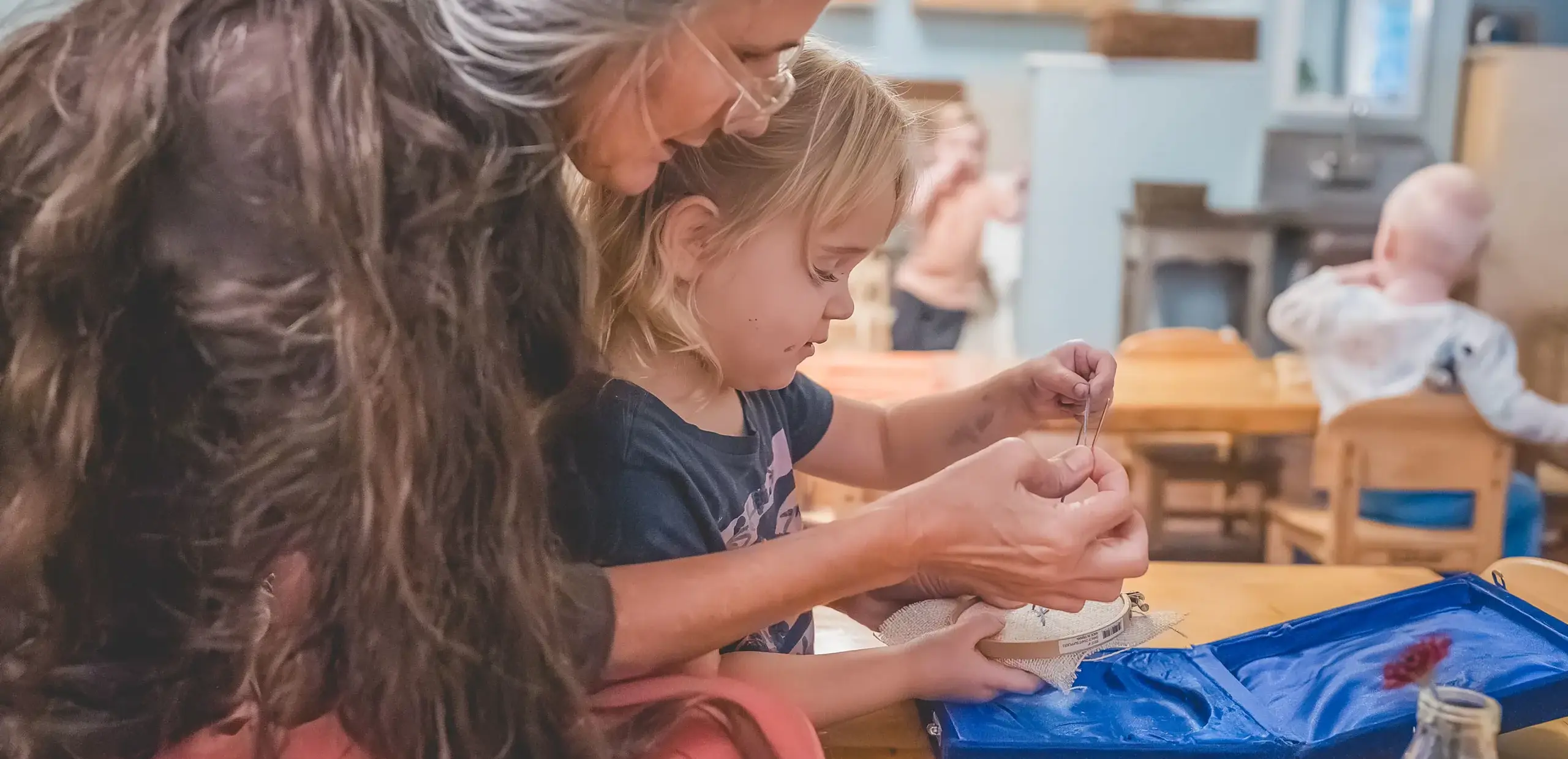
Never help a child with a task at which he feels he can succeed. Maria, Montessori
Friendships begin to bud with the expansion of the child's ability to share what he is doing and deliberately interact with others. Learning to become an advocate is a primary focus of our Casita community. Our low teacher-to-child ratio ensures that each child will receive the loving support and guidance that is necessary for him/her to truly thrive.
Frequently Asked
Questions
| How do you intentionally welcome my child at the start of the school year? |
We believe that beginnings matter—especially for young children. That’s why we use a thoughtful Phase-In process designed to create a calm, secure transition into the classroom community. Phase-In is a gradual start to the school year in which children begin with short visits and slowly build toward a full-day schedule. This gentle approach allows children to get to know their guides, classmates, and classroom environment in small, supportive steps. Parents are part of the process at the beginning, helping children feel safe and confident as they build independence. Our goal is simple: fewer tears, less anxiety, and a strong foundation of trust. By honoring each child’s emotional journey, we create the conditions for confidence, resilience, and joyful learning from day one. Phase-In schedules vary by program level (Young Children’s Community and Primary), and families receive detailed information prior to the start of school. |
| Does my child have the option of attending school for only three days a week? |
| No, all of our Montessori programs are five days per week. It is an important component of the Montessori philosophy that children experience the consistency of returning to the same environment day after day. |
| Do you offer any after-school enrichment activities? |
| Yes, each summer we work with guides and local vendors to create a schedule of semester-long after-school enrichment activities. These are generally available for Pre-K (Primary) students. These include a mix of old favorites and new offerings. Learn more here. |
| What should my child wear to school? Is there a dress code? |
Children’s clothing should be comfortable, allowing complete freedom of movement, as well as washable and suitable for daily indoor and outdoor activities. Because children spend time outdoors almost every day, parents should consider weather conditions when planning daily dress. Children are encouraged to wear shoes that are practical and comfortable. We don't have a dress code for this age group, but we believe that as long as items are not distracting to the child wearing it, it should be fine. We are also using the outdoors more often and when the weather changes, we will send out reminders about layers in cold weather, too. Labeling personal items is by far one of the most important things so that when layers come off, they make it home later. |
| What are arrival and pick-up times and procedures? |
YCC
Pre-Kindergarten
|
| Do you offer before- and after-care? |
| Yes, we do have an early arrival program that begins at 7:30 a.m. as well as an after care program until 5:45 p.m. These programs are available to families for an additional fee. |
| Is there a Montessori-trained teacher in every classroom? |
| Yes, there is a Montessori-trained teacher in every classroom. |
| Does my child have to be toilet-trained before beginning school? |
| In the Young Children’s Community program, toilet-learning is a part of the curriculum, and we support children and families on their journey. In the Primary program, children should generally be self-sufficient before starting school. We are happy to talk about this further if your child is still in the learning process. |
| Can you tell me more about the campus? |
Our Early Childhood program is located on our Springs Campus in South Austin at 6305 Menchaca Road, Austin, TX 78745. This campus is located just south of Stassney Road and is a combination of three buildings and lots of playground space to run around. Each classroom has its own courtyard for outdoor play shaded by beautiful mature oak trees. Primary students enjoy their Primary playground where students get to play together. We also have our Peace Garden and Movement Yard for additional activities. |